
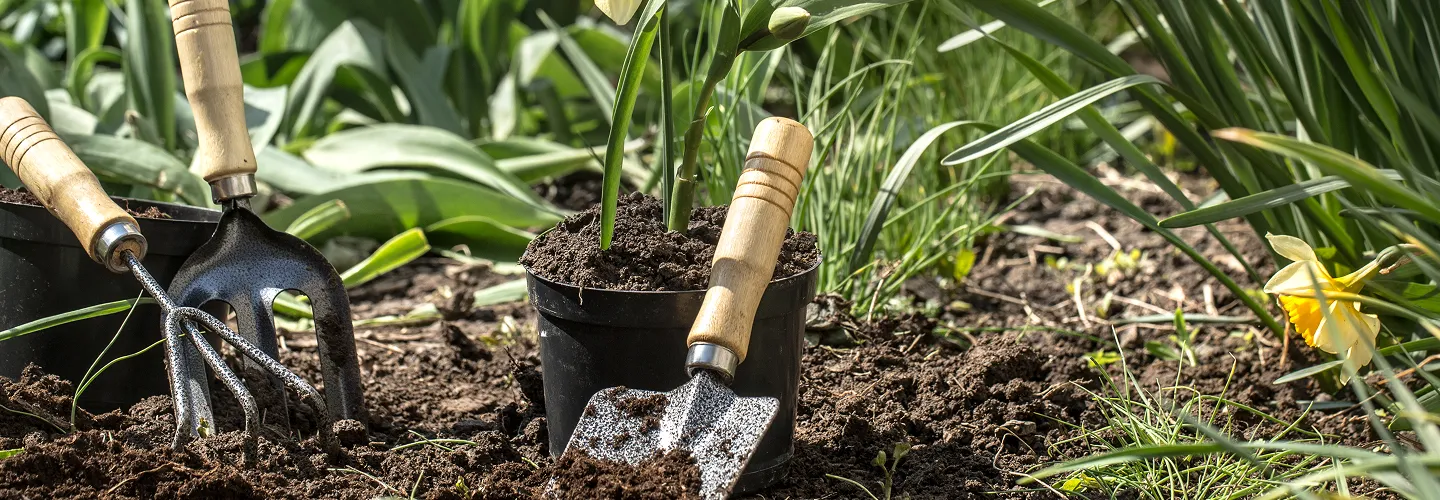
Woonsocket Flower Planting Services
Choose our Flower Planting services for vibrant, expertly arranged blooms that enhance your curb appeal, thrive in local conditions, and bring lasting beauty to your outdoor spaces.
Get a Free QuoteOur Woonsocket Landscaping & Yard Care Services
When to Schedule Flower Planting in Woonsocket, Rhode Island – Seasonal Guide
In Woonsocket, Rhode Island, timing your flower planting is crucial for vibrant, long-lasting blooms. The city’s climate features cold winters and warm, humid summers, making early spring and late summer the most favorable periods for planting. Local neighborhoods like Fairmount and Globe benefit from slightly different microclimates, so it’s important to consider your specific area. The last frost typically occurs in late April, which means planting annuals and perennials after this date helps avoid cold damage.
Woonsocket’s landscape is shaped by the Blackstone River, mature tree canopies, and varying soil types—from sandy loam near Cass Park to denser clay in the East Woonsocket area. These factors, along with municipal guidelines and occasional drought advisories (see local resources), should guide your planting schedule. Consulting with a local expert ensures your flowers thrive in the unique conditions of your yard.
Local Factors to Consider for Flower Planting in Woonsocket
- Proximity to mature trees and shade coverage
- Soil type and drainage, especially near riverbanks
- Average precipitation and risk of late spring frost
- Terrain slope and potential for water runoff
- Municipal restrictions on watering or planting
- Neighborhood-specific microclimates (e.g., Globe vs. Fairmount)
Benefits of Flower Planting in Woonsocket
Enhanced Curb Appeal
Expert Plant Selection
Seasonal Color Variety
Professional Garden Design
Low-Maintenance Solutions
Increased Property Value
Woonsocket Flower Planting Types

Perennial Flower Beds
-
Annual Flower Displays
-
Native Plant Gardens
-
Pollinator-Friendly Plantings
-
Shade Garden Installations
-
Container Flower Arrangements
-
Seasonal Bulb Planting
Our Flower Planting Process
Site Evaluation
Soil Preparation
Plant Selection
Careful Planting
Watering and Mulching
Why Choose Woonsocket Landscape Services
-
Woonsocket Homeowners Trust Us
-
Comprehensive Lawn Maintenance
-
Reliable Seasonal Cleanups
-
Efficient Snow Removal
-
Competitive Pricing
-
Professional Team
-
Satisfaction Guarantee
Soil Series and Drainage Considerations for Flower Planting in Woonsocket
Woonsocket’s landscape is shaped by glacial till soils, primarily classified as Inceptisols and Udults according to the USDA Web Soil Survey. These soils are moderately acidic (pH 5.5-6.5) and often exhibit poor drainage, with seasonal water tables as shallow as 12-18 inches. Before planting, it is recommended to conduct a soil test through the University of Rhode Island Cooperative Extension (typical cost: $15-25) to determine amendment needs. For optimal flower bed establishment:
- Incorporate 2-3 inches of compost to a 6-inch depth
- Apply lime if pH is below 6.0
- Ensure raised beds or French drains in areas with persistent wetness
- Avoid planting in depressions prone to standing water
These practices help mitigate root rot and nutrient leaching, supporting healthy perennial and annual flower growth in Woonsocket’s unique urban soils.
Municipal Coordination and Permit Requirements for Flower Planting Projects in Woonsocket
Flower planting on public property, within city rights-of-way, or near regulated wetlands in Woonsocket may require coordination with municipal departments. The Woonsocket RI Department of Public Works oversees public infrastructure and can provide guidance on planting within city easements.
Woonsocket RI Department of Public Works
169 Main Street, Woonsocket, RI 02895
Phone: (401) 767-9216
Official Website: Woonsocket RI Department of Public Works
Permit requirements may include:
- Application for planting in city-owned tree belts or medians (fee: $25; review: 5-10 business days)
- 25-foot no-disturbance buffer from wetlands or streams
- Compliance with city setback ordinances (typically 5 feet from sidewalks)
- Use of biodegradable mulch and approved species lists for public spaces
For projects in historic districts or near protected areas, consult the Woonsocket RI Planning & Development Department for additional zoning or design review requirements.
Selecting Native and Climate-Appropriate Flower Species for Woonsocket’s USDA Zone 6b
Woonsocket is located in USDA Hardiness Zone 6b, with average annual minimum temperatures of -5°F to 0°F. Selecting species adapted to this climate and local soil conditions is essential for sustainable plantings. Recommended options include:
- Full sun: Black-eyed Susan (Rudbeckia hirta), purple coneflower (Echinacea purpurea), daylily (Hemerocallis spp.)
- Partial shade: Coral bells (Heuchera americana), astilbe (Astilbe spp.), hosta (Hosta spp.)
- Deer resistant: Lavender (Lavandula angustifolia), Russian sage (Perovskia atriplicifolia), salvia (Salvia nemorosa)
- Native pollinator support: Wild bergamot (Monarda fistulosa), Joe Pye weed (Eutrochium purpureum), cardinal flower (Lobelia cardinalis)
Spacing should be 12-24 inches apart depending on mature size. For further guidance, consult the University of Rhode Island Cooperative Extension for regionally appropriate plant lists and maintenance recommendations.
Environmental Compliance: Stormwater, Wetland Buffers, and State Regulations in Woonsocket
Flower planting activities in Woonsocket must comply with local and state environmental regulations to protect water quality and sensitive habitats. The city operates under an MS4 permit as part of the Clean Water Act, prohibiting soil, mulch, or plant debris from entering storm drains. Key requirements include:
- Maintain a 25-foot no-disturbance buffer from wetlands and streams
- Prohibit fertilizer and pesticide application within 50 feet of water bodies
- Use only slow-release or organic fertilizers to minimize runoff
- Schedule planting and soil disturbance outside of heavy rain events (check National Weather Service)
For state-level compliance, refer to the Rhode Island Environmental Rights Act and coordinate with the Rhode Island Department of Environmental Management for projects near regulated resources.
What Neighborhoods Do We Serve Throughout Woonsocket, RI?
- Fairmount: Characterized by older housing stock and compact lots, Fairmount often presents challenges with soil compaction and limited sunlight due to mature tree canopies, requiring careful species selection and soil amendment.
- East Woonsocket: This area features newer developments with better drainage but may have fill soils of variable quality, making soil testing and organic matter incorporation especially important for successful flower beds.
- Social District: Proximity to the Blackstone River and associated wetlands means strict adherence to buffer requirements and stormwater controls is necessary for any planting near water bodies.
- Globe: Known for its mix of residential and commercial properties, Globe may require coordination with city departments for plantings in public spaces or along busy corridors, as well as compliance with setback ordinances.
- Bernon: With sloped lots and occasional rocky soils, Bernon benefits from raised beds and erosion control measures to ensure flower plantings establish successfully and do not contribute to runoff.
- Downtown Woonsocket: Urban density and limited green space necessitate creative use of containers, vertical gardens, and pollinator-friendly species to maximize impact in small planting areas.
- North End: Larger lots and proximity to conservation areas in North End require attention to invasive species management and adherence to city guidelines for plantings near protected lands.